

Had the selection of the Election Commission members been done with the Chief Justice of India as a voting member, doubts may not have arisen.
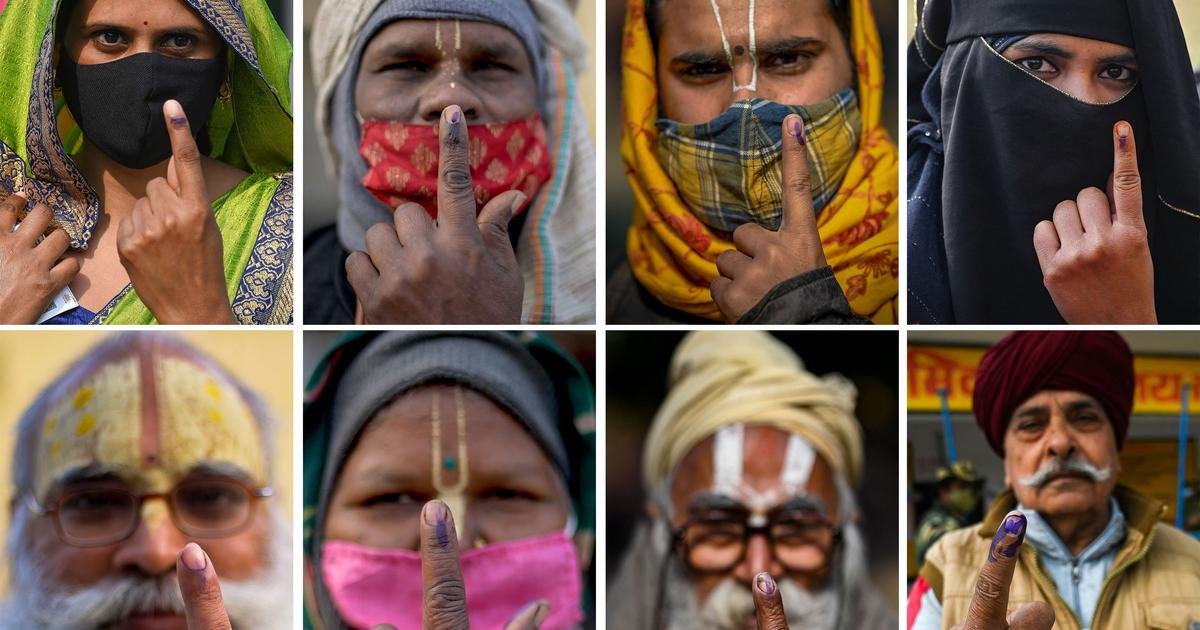
India’s founders were firm in their belief that the country should evolve as a secular democracy based on nation-wide elections in which parliamentarians and legislators would be chosen through adult franchise. There was some debate if that franchise should be restricted to the educated alone, but wisely, the founders of India decided to extend the vote to every Indian citizen above 18 years of age.
But recent developments have cast a shadow on this guarantee.
The special intensive revision of electoral rolls ordered by the Election Commission of India in Bihar, barely three months before the state goes to the polls, has come in for intense criticism from the Opposition parties, as well organisations such as the Association for Democratic Reforms and the Constitution Conduct Group.
The timing of the revision was what really raised suspicions. It is well known that the current government in Bihar, led by veteran Nitish Kumar of the Janata Dal (United) but guided by the Bharatiya Janata Party, is on a sticky wicket. Two young politicians, Tejashwi Yadav of the Rashtriya Janata Dal and Chirag Paswan of Lok Janshakti Party, are the real contenders.
Paswan is a minister in Narendra Modi’s cabinet but he has thrown his hat in the ring by announcing his ambition of becoming chief minister.
No single party can hope to emerge victorious.
The resulting uncertainty is threatening Modi’s dream of a “double-engine” government in that populous state in the Hindi heartland. It is a matter of prestige for the ruling dispensation at the Centre to come up trumps in Bihar. This anxiety to succeed in Bihar is probably why the Election Commission has ordered a special intensive revision two or three months before the term of the present state legislature ends.
It is this generally held suspicion that has driven the Opposition parties to unite to thwart what they believe is the Modi government’s grand design.
That this suspicion has been aroused is not surprising. All political parties seek power. That is the raison d’etre of their existence. But the Bharatiya Janata Party under Modi has devised numerous new weapons to achieve its goal. The appointment of governors, or lieutenant governors to frustrate Opposition-led governments is one such method. In the union territory of Puducherry and then in Delhi, this method succeeded.
Where an opposition party such as the Dravida Munnetra Kazhagam in Tamil Nadu or the Trinamool Congress in West Bengal could not be dislodged even after orchestrating defections, governors were specially chosen to put spokes in the wheels of those governments.
The Opposition party is then forced to approach the judiciary for justice. Judges known for impartiality gave the required relief but in the meantime, the residents of those states suffered neglect and the leaders of the Dravida Munnetra Kazhagam and Trinamool Congress spent time, energy and money on litigation instead of attending to their core duty of addressing the concerns of their constituents.
In Maharashtra, the appointment of a former BJP spokesperson as a High Court judge in August is another novel manifestation of the attempt to control all arms of our democratic entity to make the supreme leader truly supreme.
Former Prime Minister Indira Gandhi was known to favour a “committed” judiciary and a “committed” bureaucracy. But, except during the Emergency from 1975-’77, she was careful in her choices. The Opposition had no cause to complain after the Emergency was lifted.
At present, the Supreme Court’s collegium of five senior-most judges recommends appointees to the judiciary from among the names forwarded by the High Courts after inquiries about the individual’s integrity and political affiliations. The law and justice department vets the nominees and forwards the Supreme Court’s recommendations to the president for formal assent.
If this procedure is strictly followed, the scope for filling vacancies in the higher judiciary with ideologically committed judges is minimised. Yet, some candidates slip through the net. If their numbers increase perceptibly, there will be cause for alarm.
Meanwhile, the procedure for appointing the Chief Election Commission and other Election Commissioners is facing a legal challenge. A new law passed in December 2023 replaced the Chief Justice of India with a member of the Union Cabinet as part of the selection committee. The Association for Democratic Reforms has argued that the new law undermines the independence of the Election Commission. It is one of the petitioners that has challenged the new law in the Supreme Court, which is still hearing the pleas.
The special intensive revision in Bihar comes in the midst of this. In the course of the exercise, 65 lakh voters have been identified for deregistration. Of these, 22 lakh have died. Their names would have been struck off in the normal revision. Another seven lakh have duplicate enrolments. They, too, have been correctly struck off. That leaves more than half of the deregistered 65 lakh voters in the twilight zone.
If, as is stated, most of those in the last category are untraceable or have moved out permanently from Bihar, there is more work to be done by the Election Commission. For a lack of jobs in the state, lakhs of poor Bihari labourers have left for Punjab, Delhi and Mumbai. In Mumbai itself there are lakhs of them. They rent out rooms in slums and six to eight men live together and share expenses. Remittances from the earnings of these breadwinners put food on the table of their families back in the village.
If the special intensive revision disenfranchises these migrants, it would be a great travesty of justice. They represent the poorest of the poor. The vote is all they possess to make them feel like they belong. Even if they cannot travel home at election time, the knowledge that they have this precious possession of a vote which counts, makes for knowledge that they, too, are citizens.
If the intention is to ensure that those who are likely to vote against the party in power are to be left out of the polling booths, the courts should intervene. Had the selection of the Election Commission members been done with the Chief Justice of India as a voting member, these doubts may not have arisen.
Julio Ribeiro served in several senior positions as a police officer and was India’s ambassador to Romania.
বিজেপি’র সুবিধা করতে নেমেছে নির্বাচন কমিশন, ক্ষোভ পলিটব্যুরোর
উত্তরাখণ্ড, হিমাচল প্রদেশ এবং জম্মু ও কাশ্মীরে প্রাকৃতিক দুর্যোগে শতাধিক মানুষের মৃত্যুতে শোক জানালো সিপিআই(এম) পলিটব্যুরো।
গত সোমবার পলিটব্যুরো বৈঠকের পর মঙ্গলবার বিবৃতি দিয়েছে পলিট ব্যুরো। জানানো হয়েছে যে উপরাষ্ট্রপতি নির্বাচনে ‘ইন্ডিয়া’ মঞ্চের বিচারপতি বি সুদর্শন রেড্ডির পক্ষে অন্য বিরোধী দলগুলির সঙ্গে সমন্বয় রাখবে সিপিআই(এম)। উল্লেখ্য, এদিনই সুদর্শন রেড্ডিকে প্রার্থী করার সিদ্ধান্ত ঘোষণা করা হয়েছে।
বিবৃতিতে দাবি করা হয়েছে, আমেরিকার শুল্ক শাসানির সামনে মাথা নোয়ানো যাবে না। বরং, বহুপাক্ষিক আন্তর্জাতিক সম্পর্ক শক্তিশালী করার পক্ষে ভূমিকা নিতে হবে ভারতকে। উল্লেখ্য, এদিন চীনের সফররত বিদেশ মন্ত্রী ওয়াঙ ই দিল্লিতে মোদীর সঙ্গে দেখা করেছেন।
স্বাধীনতা দিবসের ভাষণে প্রধানমন্ত্রী আরএসএস’র প্রশংসা করেন লালকেল্লার মঞ্চে। এই বক্তব্যের সমালোচনা করে পলিটব্যুরো বলেছে নরেন্দ্র মোদী সেই আরএসএস’র ভূমিকাকে যুক্তিসঙ্গত করে তোলার চেষ্টা করছেন যারা স্বাধীনতা সংগ্রামে ভূমিকাই নেয়নি।
এই ভাষণে মোদী অনুপ্রবেশের বিপদ নিয়ে বলার পাশাপাশি ‘জনবিন্যাস মিশন’ গঠনের ঘোষণা করেন। পলিট ব্যুরো বলেছে, এই কর্মসূচি মুসলিম সংখ্যালঘুদের নির্দিষ্ট লক্ষ্যবস্তু বানিয়ে হেনস্তার উদ্দেশ্যে চালানো হবে। মুসলিমদের অনুপ্রবেশকারী হিসেবে দেখানোর চেষ্টা হবে। আরএসএস সব মুসলিমকেই অনুপ্রবেশকারী মনে করে। মুসলিমদের দেশের বাইরে পাঠানোর প্রচার করে। এই কর্মসূচি সেই প্রচারকেই বাস্তবায়িত করার জন্য। প্রধানমন্ত্রী দিওয়ালিতে জিএসটি’র হার কমানোর ঘোষণা করেছেন। পলিট ব্যুরো বলেছে, সরকারকে নিশ্চিত করতে হবে যে এই হ্রাসে, কর্পোরেট নয়, জনগণ যাতে উপকৃত হয়।
এসআইআর এবং নির্বাচন কমিশন সম্পর্কে পলিটব্যুরো বলেছে, গোড়া থেকেই বিহারের এই প্রক্রিয়া বতর্কের মুখে পড়েছে। রাজনৈতিক দলগুলির সঙ্গে আলাপ আলোচনা ছাড়াই এই নির্দেশিকা ২৪ জুন জারি করে কমিশন। ভোটার তালিকা সংশোধনে এ ধরনের কাজে প্রয়োজনীয় সময় দরকার থাকে।
পলিটব্যুরো বলেছে, প্রথম থেকেই নির্বাচন কমিশনের দায়িত্ব সকলের ভোটাধিকার সুনিশ্চিত করা। সংবিধানের ৩২৬ দারা অনুযায়ী ভোটার তালিকা প্রকাশের দায়িত্ব বরাবর নির্বাচন কমিশনেরই থেকেছে। কিন্তু এসআইআর-এ বলা হয় যে প্রতি বাড়ি ঘুরে নাম তোলা হবে। তার সঙ্গে লিখিত আবেদন নেওয়া হবে। ১১টি নথি প্রকাশ করে বলা হয় ভোটার তালিকায় নাম তোলার জন্য তার কোনও একটি দিতে হবে। এর কোনোটিই বিহারে যথেষ্ট ব্যবহৃত নয়। বাস্তবে এই প্রক্রিয়া নাম বাদ দেওয়ার জন্য ব্যবহার হয়েছে। কারণ নথি নেই এমন বাসিন্দাকে নাগরিক নয় বিবেচনা করে বাদ দেওয়ার ব্যবস্থা রাখা হয়েছে প্রক্রিয়ায়। এই প্রক্রিয়াটি সংবিধানের ৩২৬ ধারার বিরোধী। বিরোধী দলগুলি একজোটে কমিশনের সঙ্গে দেখা করে সমস্যা জানালেও তা খারিজ করা হয়।
পলিট ব্যুরো বলেছে, বিশদ শুনানির পর সুপ্রিম কোর্ট নির্দেশ দিয়েছে যে নাম বাদ পড়েছে এমন ৬৫ লক্ষের তালিকা কমিশনকে প্রকাশ করতে হবে। নাম বাদের কারণও জানাতে হবে। বিশেষজ্ঞদের অনেকেই জানিয়েছেন যে নাম বাদ গিয়েছেমুখ্যত মহিলা, সংখ্যালঘু এবং গরিব মানুষের। বিহারে তুমুল ক্ষোভ রয়েছে। সব বিরোধী দল একযোগে বিরোধিতা করছে। নিরপেক্ষতা বিসর্জন দিয়ে নির্বাচন কমিশন আরএসএস’র কর্মসূচি রূপায়ন করছে যার কথা মোদী স্বাধীনতা দিবসের ভাষণে বলেছেন।
পলিটব্যুরো বলেছে, সংবিধান অনুযায়ী স্বাধীন ভূমিকা পালনের কথা নির্বাচন কমিশনের। কিন্তু লোকসভা ভোটে বেঙ্গালুরুর একটি বিধানসভা কেন্দ্রে ব্যাপক মাত্রায় ‘ভোট চুরি’-র ব্যাখ্যা দিতে নারাজ কমিশনের ভূমিকা নিয়ে সন্দেহ দেখা দিয়েছে। কমিশনেরই নথির ভিত্তিতে এই গরমিল দেখানো হয়েছে। মুখ্য নির্বাচন কমিশনার এই সব অভিযোগের জবাবে প্রকাশ্যে অসত্য বলছেন। প্রমাণ হয়ে যাচ্ছে যে বিজেপি’র পক্ষে সুবিধাজনক অবস্থান নিয়ে চলছে কমিশন।
পাশাপাশি মালেগাঁও বিস্ফোরণ কাণ্ডে উচ্চ আদালতে আবেদন জানানোর দাবি করা হয়েছে। জম্মু ও কাশ্মীরকে পূর্ণ রাজ্যের মর্যাদা ফিরিয়ে দেওয়ার দাবিতে গণজমায়েতের আহ্বান জানানো হয়েছে।
Source : Scroll.in
@freemang2001gmail-com


