চে গুয়েভারার ডায়েরী
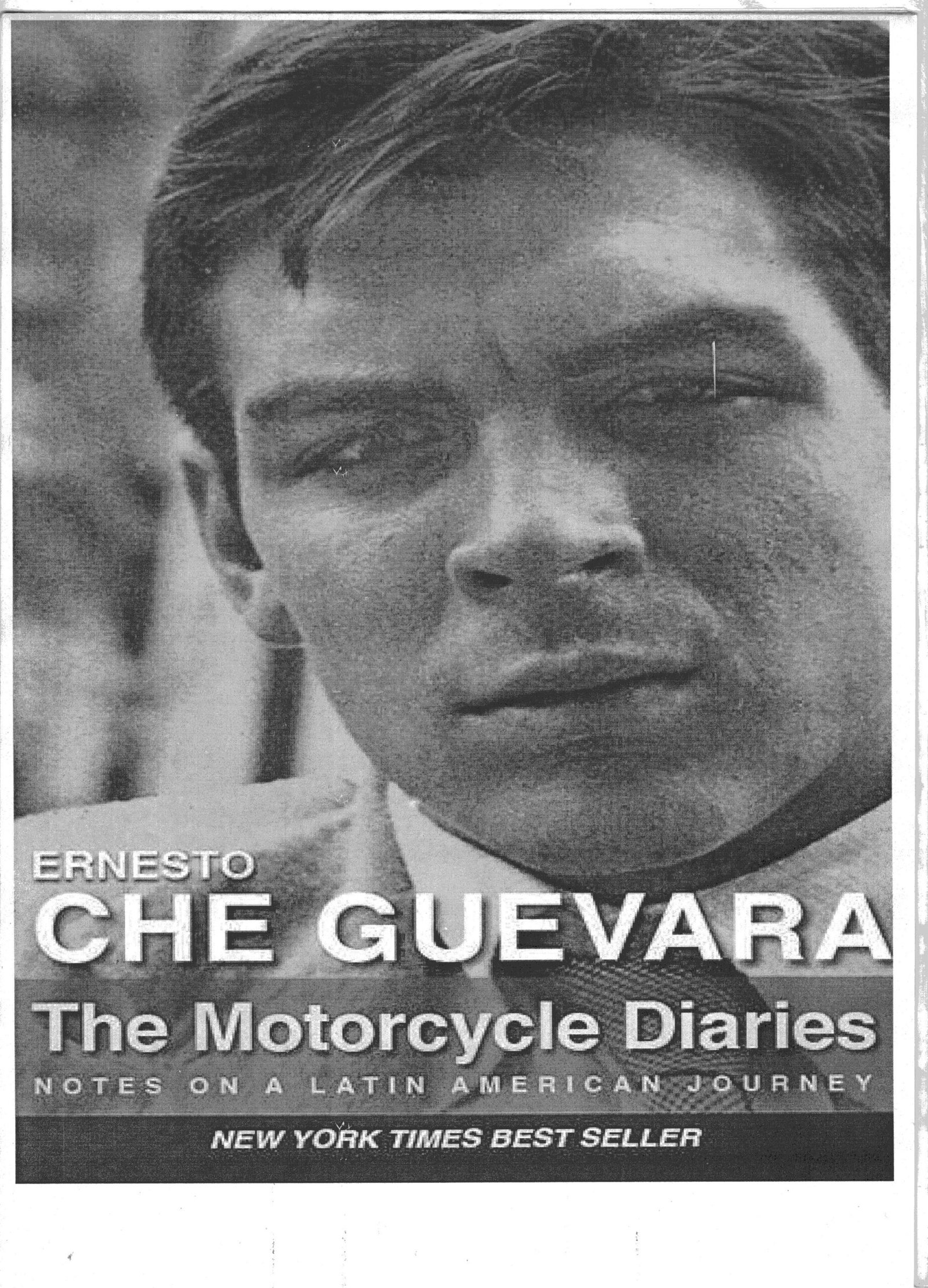
১৯৫৩ সালের জুলাই মাসে আর্জেন্তিনা থেকে বলিভিয়ায় গেলেন পঁচিশ বছরের স্বপ্নদ্রষ্টা যুবক। ভবিষ্যতে আরও একবার তাঁকে আসতে হবে এই বলিভিয়ায়, বলিভিয়ার পাহাড়ে, জঙ্গলে, লিখতে হবে এক আশ্চর্য দিনলিপি এবং অপেক্ষা করবে শেষের মুহূর্ত- না, জানা ছিল না সেই যুবকের।। বলিভিয়া থেকে আবার পেরু, সেখান থেকে ইকুয়েডর হয়ে কোস্টারিকা। এই কোস্টারিকাতেই দেখা হলো কিউবার কয়েকজন বিপ্লবীর সঙ্গে। ফিদেল কাস্ত্রো নামে এক তরুণ বিপ্লবীর নেতৃত্বে বিপ্লবীদের প্রয়াস এবং তার ব্যর্থতার কথা শুনলেন। কিন্তু কিউবা নয়, ফিদেল কাস্ত্রো নন, আর্নেস্তোকে তখন আকর্ষণ করছে গুয়াতেমালা। ১৯৫৩ সালের ডিসেম্বর মাসে গুয়াতেমালায় গিয়ে পৌঁছলেন আর্নেস্তো। পৌছলেন গুয়াতেমালার বিপ্লবে অংশ নেওয়ার জন্যই। ততদিনে মার্কস-এঙ্গেলস-লেনিনের অনেক লেখাই পড়া হয়ে গেছে যুবকটির। গুয়াতেমালার সংগ্রামে যোগও দিয়েছিলন তিনি, যদিও তাতে লাভ হয়নি কিছুই। সি আই এ তাঁকে চিহ্নিত করেছিল ‘বিপজ্জনক কমিউনিস্ট হিসেবে।
Few words on Che Guevarar Diary | চে গুয়েভারার ডায়েরী
চে ১৯৬৬-র নভেম্বরে ছদ্মবেশে বলিভিয়ায় প্রবেশ করেন বলিভিয়ার নিপীড়িত মানুষের জীবনযুদ্ধে সামিল হতে। কিউবান বিপ্লবী ও বলিভিয়ার মানুষদের নিয়ে গেরিলা বাহিনী গঠন করেন ও বলিভিয়ার সামরিক সরকারের উৎখাতের জন্য গেরিলা অভিযান শুরু করেন। ১৯৬৬-র ৭ই নভেম্বর থেকে মৃত্যুর দুদিন আগে অর্থাৎ ৭ই অক্টোবর ১৯৬৭ পর্যন্ত গেরিলা জীবনের দিনগুলিতে চে প্রতিদিনের ঘটনাগুলি ব্যক্তিগত ডায়েরীতে লিখে রাখতেন। ৮ই অক্টোবর আমেরিকার বশংবদ প্রতিক্রিয়াশীল বলিভিয়ান সামরিক বাহিনীর হাতে আহত ও ৯ই অক্টোবর ওয়াশিংটনের নির্দেশে সরাসরি গুলির আদেশে চে নিহত হন। অসমতল কঠিন ভূখণ্ডের উপর দিয়ে দীর্ঘ পথযাত্রার সময়, বনশিবিরের মাঝখানে, জিনিষপত্র ও অস্ত্রশস্ত্রের বোঝায় নুয়ে পড়া সারিবদ্ধ মানুষগুলি যখন ক্ষনিকের বিশ্রামের জন্য কোথাও থামত, অথবা দিনে দীর্ঘ যাত্রার বিরাম টেনে শিবির খাটাবার নির্দেশ পেত, তখন সকলে দেখতেন চে কে তাঁর ডায়েরীতে টুকে রাখছেন সারাদিনের উল্লেখযোগ্য ঘটনাবলী। এই ডায়েরীর ভূমিকা লিখেছেন বিশ্ব-কমিউনিস্ট আন্দোলনের অবিসংবাদী নেতা ফিদেল কাস্ত্রো। ভাষান্তর করেছেন অরুণ রায় ও কল্পতরু সেনগুপ্ত। এই গ্রন্থে চে-র দুটি দুষ্প্রাপ্য ছবি, বলিভিয়ান ডায়েরীর পাতা থেকে চে-র হাতের লেখা দুটি পাতার ছবি, তাঁর সন্তানদের প্রতি শেষ বিদায়ের চিঠি (মূল স্প্যানিশ থেকে অনুবাদঃ শুভেন্দু সরকার) ও গ্রন্থের শেষে ডায়েরীতে উল্লেখিত ছদ্মনামের তালিকা গ্রন্থটিকে সমৃদ্ধ করেছে।
THE MOTOR CYCLE DIARIES OF CHE GUEVARA
“It’s about a journey of discovery that becomes one of self-discovery as well. It’s about the emotional and political choices we have to make in life. It’s also about finding friendship, about solidarity. Finally, it’s about finding one’s place in the world one that is worth fighting for.”
-Walter Salles, director of “The Motorcycle Diaries”
“A journey, a number of journeys. Ernesto Guevara in search of adventure, Ernesto Guevara in search of America, Ernesto Guevara in search of Che. On this journey of journeys, solitude found solidarity, “I’ turned into ‘we’.” -Eduardo Galeano “The was 24: the world was not only an oyster, it lay at his feet. And life stretched out endlessly, languidly before him… This new edition of the book, published to coincide with the release of a fihu by Robert Redford and Walter Salles, is enhanced from the original 1993 publication. Included are Aleida’s much expanded comments and 24 pages of previously unpublished photos taken by Che and his traveling companion on their journey.” -January Magazine
“Das Kapital meets Easy Rider.” -Times
“A Latin American James Dean or Jack Kerouac.” -Washington Post
“An extraordinary first-person account. If the world eventually came to know Che Guevara and his New Man, in The Motorcycle Diaries we see the formative man. It redoubles his image and lends a touch of humanity with enough rough edges to invite controversy.”
-Los Angeles Times Book Review
“For every comic escapade of the carefree roustabout there is an equally eye-opening moment in the development of the future revolutionary leader. By the end of the journey, a politicized Guevara has emerged to predict his own legendary future.” -Time
“There is pathos in these pages the pathos of Che himself, ever thoughtful, ever willing to sacrifice all, burning with guilt over his own privileges and never letting his sufferings impede him.”
-New Yorker
“A revolutionary bestseller… It’s true, Marxists just wanna have fun.” -Guardian
“The Motorcycle Diaries mixes lyrical observation, youthful adventure and anti-imperialist political analysis… This candid journal, part self-discovery, part fieldwork, glimmers with portents of the future revolutionary.” -Publishers Weekly
“What distinguishes these diaries… is that they reveal a human side to El Che which historians have successfully managed to suppress. It is in the pages of this breathless journal… that one senses El Che’s belief that determination and conviction can be enough to change one’s self and others… The journal… is a joy to read from start to finish.”
-Financial Times
“This journey was obviously the formative influence on Che’s Pan-Americanism and the
development of his revolutionary consciousness… There’s political incorrectness galore… this book should do much to humanize the image of a man who found his apotheosis as a late ’60s cultural icon. It is also, incidentally, a remarkably good travel book about South America.” The Scotsman
“The vision of the noble loner, whether ireedom-lighter or biker… gives hope to world-weary revolutionaries and non-
revolutionaries alike.”
-Weekend Telegraph
“Politically correct revolutionary hero? Perhaps a few years later, but in this account Che Guevara comes over as one of the lads.” -like
“Che is certainly a shrewd observer of what he calls the ‘strange’ human race… The great thing about this book is that Che Guevara is never a bore. It satisfies both as an enjoyable travelogue and as a chronicle of the development of one of this century’s most romantic figures.”
-Literary Review
“This book is worth reading for more than novelty value. In his journey across latin America, through the Andes and the rainforest, Che’s diary is full of original observation, hilarious mishaps and human understanding.” -Briefing “Che writes with wit and skill, giving insights into the world that shaped his beliefs… The reader can see him piecing together the ideas that will shape his political future.” –Impact
CHE GUEVARA PUBLISHING PROJECT
These books form part of a series published by Ocean Press and the Che Guevara Studies Center of Havana, with the objective of disseminating the works and ideas of Che Guevara.
Self-Portrait
A Photographic and Literary Memoir
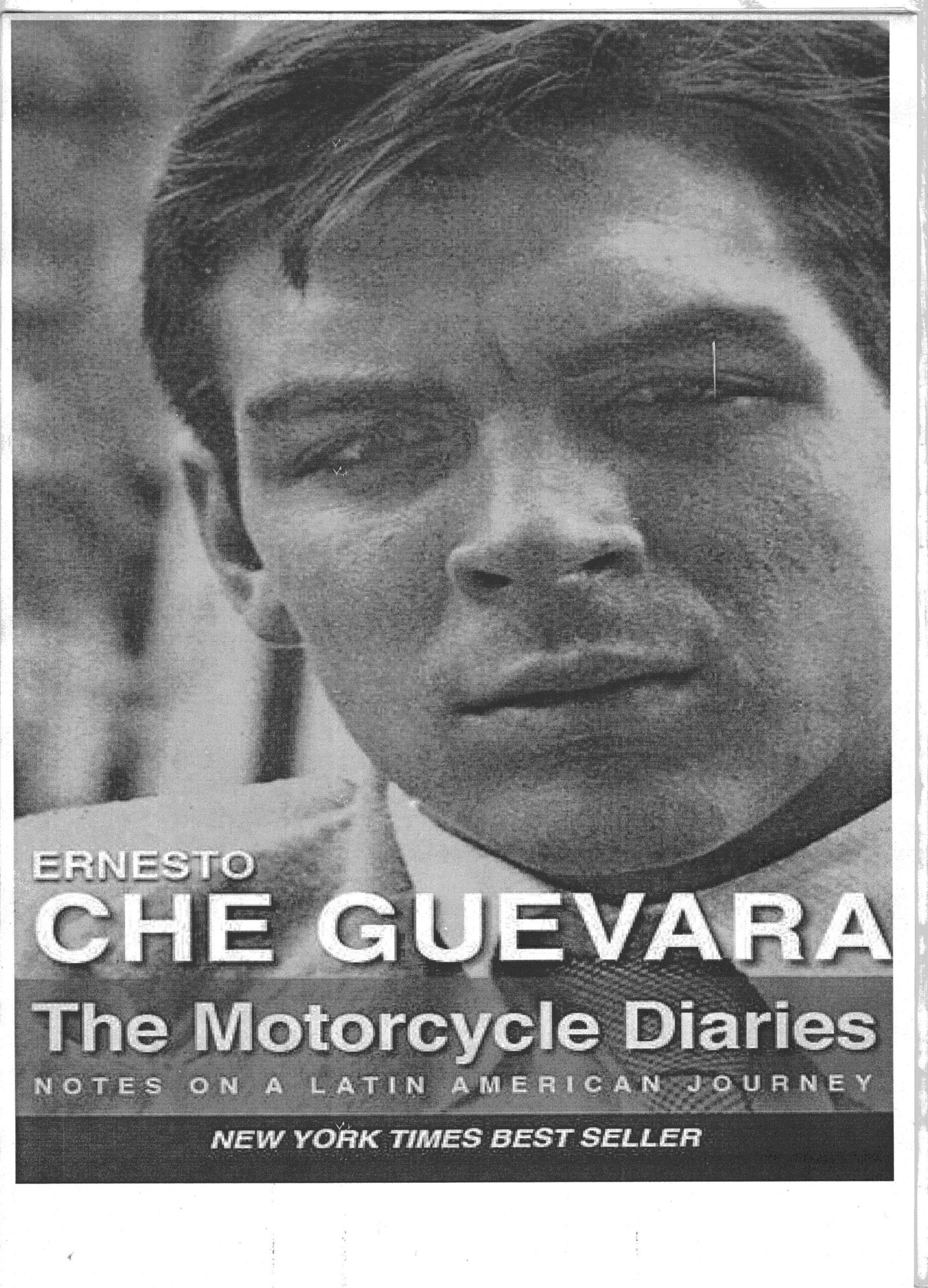
The Motorcycle Diaries
Notes on a Latin American Journey
Reminiscences of the Cuban Revolutionary War
Authorized Edition
The Bolivian Diary
Authorized Edition
Che Guevara Reader
Writings on Politics and Revolution
Latin America
Awakening of a Continent
Global Justice
Liberation and Socialism
Guerrilla Warfare
Authorized Edition
Our America and Theirs
Kennedy and the Alliance for Progress-
The Debate at Punta del Este
Marx & Engels
A Biographical Introduction
Critical Notes On Political Economy
A Critical Analysis of the Soviet Economic System
Socialism and Humanity in Cuba A Classic Edition
Collected
@freemang2001gmail-com
The Bolivian intelligence officer, Lieutenant-Colonel Roberto Quintanilla Pereira ordered the removal of Guevara’s hands after his execution in 1967.
- Execution and Identification: After his capture by the Bolivian army with CIA assistance, Che Guevara was executed on October 9, 1967. To definitively confirm his identity and provide proof of death, the Bolivian authorities decided to sever his hands for fingerprint analysis.
- The Perpetrator: Roberto Quintanilla, then head of the interior ministry’s intelligence, was the officer responsible for ordering the hands to be cut off and preserved in formaldehyde.
- The Hands’ Journey: The severed hands were sent to Argentina for fingerprint verification and eventually found their way to Cuba, where they were kept in the Museum of the Revolution.
- Discovery of Remains: For 30 years, the location of Guevara’s body was a secret. In 1997, his skeleton was found in a mass grave, identified by the fact that it was missing its hands. The remains were then repatriated to Cuba and interred with full honors.
- Assassination of Quintanilla: In 1971, Quintanilla, who had been promoted and appointed as consul-general in Hamburg, West Germany, was assassinated in his office by Monika Ertl, a member of the National Liberation Army of Bolivia (ELN), in revenge for Guevara’s death and the death of an ELN leader.
Why was Che Guevara’s body missing hands?
As a Marxist revolutionary, Ernesto Che Guevara fought alongside Fidel Castro during the Cuban Revolution and then attempted to export his socialist ideals to the Congo and Bolivia.
But he failed to repeat the success he had achieved in Cuba, and after several months in the Bolivian wilderness, he was finally captured, weakened and trapped in a jungle canyon.
His final moments are still a subject of heated controversy.
Bolivians reported that he was killed in a gunfight, while others say he was executed.
A few hours after his death, on October 9, 1967, his body was attached to the landing gear of a helicopter flying over the Bolivian village of Vallegrande.
In the laundry room of the village hospital, soldiers wheeled out his stretcher and pictures of Che’s body, soaked in blood, were broadcast around the world.
Considering the attention the corpse attracted, the Bolivian government decided on a secret burial.
They wanted to avoid the possibility of his resting place becoming a place of pilgrimage, which would have fueled the myth of the revolutionary as a hero.
For this reason, two days after his death, Che’s body was buried in a secret grave at an airfield near Vallegrande.
But still, there was a fear of allowing all evidence of the rebel leader’s death to disappear.
Bolivian General Alfredo Ovando Candia argued that Che’s body should be beheaded and kept as evidence of his death.
But some soldiers, including CIA agent Felix Rodriguez, thought this too barbaric and took it upon themselves to cut off one of the corpse’s fingers instead.
Finally a compromise was reached – Che’s hands would be cut off.
Somehow these hands found their way to Cuba, where they are still preserved in the Museum of the Revolution and are brought out to show foreign dignitaries.
The exact location of Che’s grave remained a secret for 30 years – until, following a two-year search, experts from Why was Argentina and Cuba tracked down Che Guevara at the airfield in Vallegrande.
Thanks to the missing hands, the body was easy to identify.
An examination of the jaw, facial bone structure and gunshot wounds convinced the experts that they had dug in the right place.
In October 1997, 30 years after Che’s death, his remains were finally laid to rest in Havana.
Fidel Castro declared a week of mourning and mourning and thousands came to see Che’s shroud.
Next, the remains of the Argentine revolutionary were taken to Santa Clara, Cuba, the site of his great military success, where a mausoleum was specially built for him. In the first decade, more than three million people visited the dead hero. /bota.al/
@Collected
Roberto Quintanilla in WIKIPAEDIA
https://en.wikipedia.org/wiki/Roberto_Quintanilla
Lieutenant-Colonel Roberto Quintanilla Pereira (1928–1 April 1971) was a Bolivian intelligence officer. He was head of intelligence of the interior ministry of President René Barrientos, and in this role, he played a part in the 1967 capture and execution of Che Guevara. In 1969, Quintanilla was responsible for the torture and death of National Liberation Army of Bolivia (ELN) leader Guido “Inti” Peredo Leigue. Appointed as consul-general in Hamburg, he was assassinated by Monika Ertl in the consulate.
Biography
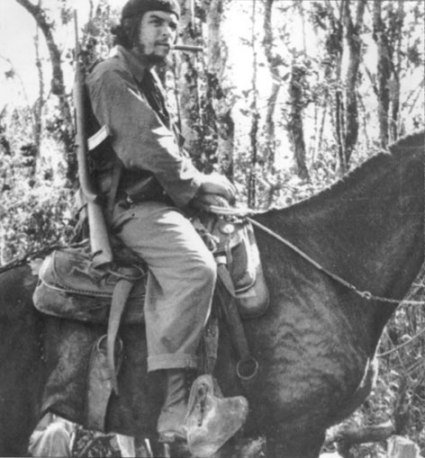
Guevara in Bolivia, 1967
Quintanilla was born in 1928. He rose to become head of intelligence in the interior ministry under Bolivian president René Barrientos. Nicknamed “Toto”, he was linked to the American Central Intelligence Agency and studied at the US-run School of the Americas in Panama.
Quintanilla played a role in the operation leading to the 1967 capture and execution of Marxist guerrilla Che Guevara. He was responsible for ordering the removal of Guevara’s hands for fingerprinting and the making of a death mask of his face in plaster. For his role in the operation, he was promoted to lieutenant-colonel. In 1969 he was responsible for the torture and execution of Ejército de Liberación Nacional de Bolivia (“National Liberation Army of Bolivia“; ELN) leader Guido “Inti” Peredo Leigue. The same year contemporary media reports linked him with the death of President Barrientos in a suspicious helicopter crash.
Assassination
Entrance to 125 Heilwigstrasse
Quintanilla was later appointed Bolivia’s consul-general in Hamburg, Germany. By April 1, 1971, he had completed his posting but remained at the consulate at 125 Heilwigstrasse to hand over the position to his successor, before returning to Bolivia. Later that day ELN operative Monika Ertl entered the consulate, posing as an Australian folklorist seeking a visa to travel to Bolivia.Quintanilla admitted Ertl to his office and had sent his translator to fetch some tourist brochures when Ertl drew a .38 Colt Cobra revolver and shot him three times in the chest. After a brief altercation with Quintanilla’s wife Ertl escaped; Quintanilla died shortly afterwards.
The ELN claimed responsibility for the assassination and described it as revenge for the death of Peredo. At the time media reports laid doubts on the claim as the ELN was viewed as relatively ineffective. The weapon used to kill Quintanilla had been purchased illegally by Giangiacomo Feltrinelli in Milan a few years prior. Former Nazi and collaborator with the Bolivian dictatorship Klaus Barbie arranged the repatriation of Quintanilla’s remains and the handing of his cremated ashes to his wife. Barbie was a former comrade of Ertl’s father Hans Ertl and had visited her in Bolivia. Monika Ertl was planning to abduct Barbie when she was killed by Bolivian police in 1973. Quintanilla has been described as a victim of “Che’s curse”, a series of deaths and other negative consequences said to attach to those involved with his capture and execution.
উইকিপিডিয়ায় রবার্তো কুইন্টানিলা
লেফটেন্যান্ট-কর্নেল রবার্তো কুইন্টানিলা পেরেইরা (১৯২৮-১ এপ্রিল ১৯৭১) ছিলেন একজন বলিভিয়ার গোয়েন্দা কর্মকর্তা। তিনি রাষ্ট্রপতি রেনে ব্যারিয়েন্টোসের স্বরাষ্ট্র মন্ত্রণালয়ের গোয়েন্দা প্রধান ছিলেন এবং এই ভূমিকায় তিনি ১৯৬৭ সালে চে গুয়েভারার গ্রেপ্তার এবং মৃত্যুদণ্ড কার্যকরে ভূমিকা পালন করেছিলেন। ১৯৬৯ সালে, কুইন্টানিলা ন্যাশনাল লিবারেশন আর্মি অফ বলিভিয়া (ELN) নেতা গুইডো "ইন্টি" পেরেডো লিগুয়ের নির্যাতন ও মৃত্যুর জন্য দায়ী ছিলেন। হামবুর্গে কনসাল-জেনারেল হিসেবে নিযুক্ত হওয়ার পর, কনস্যুলেটে মনিকা এর্টল তাকে হত্যা করেন।
জীবনী
কুইন্টানিলা ১৯২৮ সালে জন্মগ্রহণ করেন। তিনি বলিভিয়ার রাষ্ট্রপতি রেনে ব্যারিয়েন্টোসের অধীনে স্বরাষ্ট্র মন্ত্রণালয়ের গোয়েন্দা প্রধান হিসেবে পদোন্নতি লাভ করেন। "টোটো" ডাকনামে পরিচিত, তিনি আমেরিকান সেন্ট্রাল ইন্টেলিজেন্স এজেন্সির সাথে যুক্ত ছিলেন এবং পানামার মার্কিন-পরিচালিত স্কুল অফ দ্য আমেরিকাসে পড়াশোনা করেছিলেন। ১৯৬৭ সালে মার্কসবাদী গেরিলা চে গুয়েভারাকে ধরা এবং মৃত্যুদণ্ড কার্যকর করার অভিযানে কুইন্টানিলা ভূমিকা পালন করেছিলেন। তিনি গুয়েভারার হাতের আঙুলের ছাপ অপসারণ এবং প্লাস্টারে তার মুখের মৃত্যু মুখোশ তৈরির নির্দেশ দেওয়ার জন্য দায়ী ছিলেন। এই অভিযানে তার ভূমিকার জন্য, তাকে লেফটেন্যান্ট-কর্নেল পদে উন্নীত করা হয়েছিল। 1969 সালে তিনি Ejército de Liberación Nacional de Bolivia ("National Liberation Army of Bolivia"; ELN) নেতা গুইডো "Inti" Peredo Leigue-এর নির্যাতন ও মৃত্যুদণ্ডের জন্য দায়ী ছিলেন।
একই বছর সমসাময়িক গণমাধ্যমের প্রতিবেদনে তাকে একটি সন্দেহজনক হেলিকপ্টার দুর্ঘটনায় রাষ্ট্রপতি ব্যারিয়েন্টোসের মৃত্যুর সাথে যুক্ত করা হয়েছিল।
কুইন্টানিলা পরবর্তীতে জার্মানির হামবুর্গে বলিভিয়ার কনসাল-জেনারেল নিযুক্ত হন। ১৯৭১ সালের ১ এপ্রিল তিনি তার পদাধিকারবলে কাজ শেষ করেন কিন্তু বলিভিয়ায় ফিরে আসার আগে তার উত্তরসূরির কাছে পদটি হস্তান্তর করার জন্য ১২৫ হেইলউইগস্ট্রাসে কনস্যুলেটে থেকে যান। সেদিনই পরে ইএলএন কর্মী মনিকা এর্টল বলিভিয়া ভ্রমণের জন্য ভিসা চেয়ে অস্ট্রেলিয়ান লোককাহিনীকার ছদ্মবেশে কনস্যুলেটে প্রবেশ করেন। কুইন্টানিলা এর্টলকে তার অফিসে ভর্তি করে এবং কিছু পর্যটন ব্রোশার আনতে তার অনুবাদককে পাঠিয়েছিল, ঠিক তখনই এর্টল একটি .৩৮ কোল্ট কোবরা রিভলবার বের করে তার বুকে তিনবার গুলি করে। কুইন্টানিলার স্ত্রীর সাথে একটি সংক্ষিপ্ত ঝগড়ার পর, এর্টল পালিয়ে যায়; এর কিছুক্ষণ পরেই কুইন্টানিলা মারা যায়।
ইএলএন এই হত্যাকাণ্ডের দায় স্বীকার করে এবং এটিকে পেরেদোর মৃত্যুর প্রতিশোধ হিসেবে বর্ণনা করে। সেই সময় গণমাধ্যমের প্রতিবেদনে এই দাবির উপর সন্দেহ প্রকাশ করা হয় কারণ ইএলএনকে তুলনামূলকভাবে অকার্যকর হিসেবে দেখা হত। কুইন্টানিলাকে হত্যা করার জন্য ব্যবহৃত অস্ত্রটি কয়েক বছর আগে মিলানের জিয়ানজিয়াকোমো ফেলট্রিনেল্লি অবৈধভাবে কিনেছিলেন। প্রাক্তন নাৎসি এবং বলিভিয়ার একনায়কতন্ত্রের সহযোগী ক্লাউস বার্বি কুইন্টানিলার দেহাবশেষ প্রত্যাবাসন এবং তার দাহ করা ছাই তার স্ত্রীর হাতে তুলে দেওয়ার ব্যবস্থা করেছিলেন। বার্বি ছিলেন এর্টলের বাবা হ্যান্স এর্টলের প্রাক্তন সহকর্মী এবং বলিভিয়ায় তার সাথে দেখা করতে এসেছিলেন। ১৯৭৩ সালে বলিভিয়ান পুলিশের হাতে বার্বি নিহত হওয়ার সময় মনিকা এর্টল তাকে অপহরণের পরিকল্পনা করছিলেন। কুইন্টানিলাকে "চে'র অভিশাপ"-এর শিকার হিসেবে বর্ণনা করা হয়েছে, যা তার গ্রেপ্তার এবং মৃত্যুদণ্ডের সাথে জড়িতদের সাথে জড়িত বলে জানা গেছে।

@freemang2001gmail-com

LIFE OF CHE GUEVARA

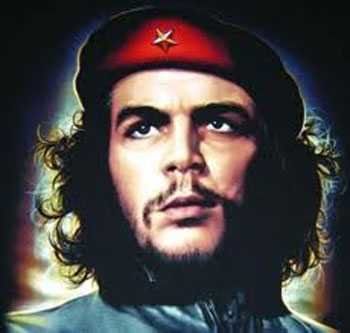
1] "Che is a fierce man, whose fire in his eyes and deep intelligence suggest that he was born to make a revolution."
"চে একজন উদ্দাম মানুষ, যার চোখের আগুন ও গভীর বুদ্ধি বোঝায় যে তিনি বিপ্লব করার জন্যই জন্মেছিলেন।"
— Henri Cartier-Bresson, Life magazine, 1963
2] "This is a photograph that identifies the beds of students around the world. The famous black and white portrait of Ernesto "Che" Guevara perfectly captures his intense emotions and captivating vision, which helped establish his legend."
"এটি হল এমন এক ফটোগ্রাফ যা সারা বিশ্বের শিক্ষার্থীদের শয্যা শনাক্ত করে। এর্নেস্তো "চে" গেভারার বিখ্যাত কালো ও সাদা প্রতিকৃতিটি পুরোপুরিভাবে তার তীব্র আবেগ এবং চিত্তাকর্ষক চমৎকার দৃষ্টিভঙ্গি ধরে রেখেছিল, যা তার কল্পকথাটি প্রতিষ্ঠায় সাহায্য করে।"
— দ্য গার্ডিয়ান